Same day gardeners for emergency tree work Goodmayes
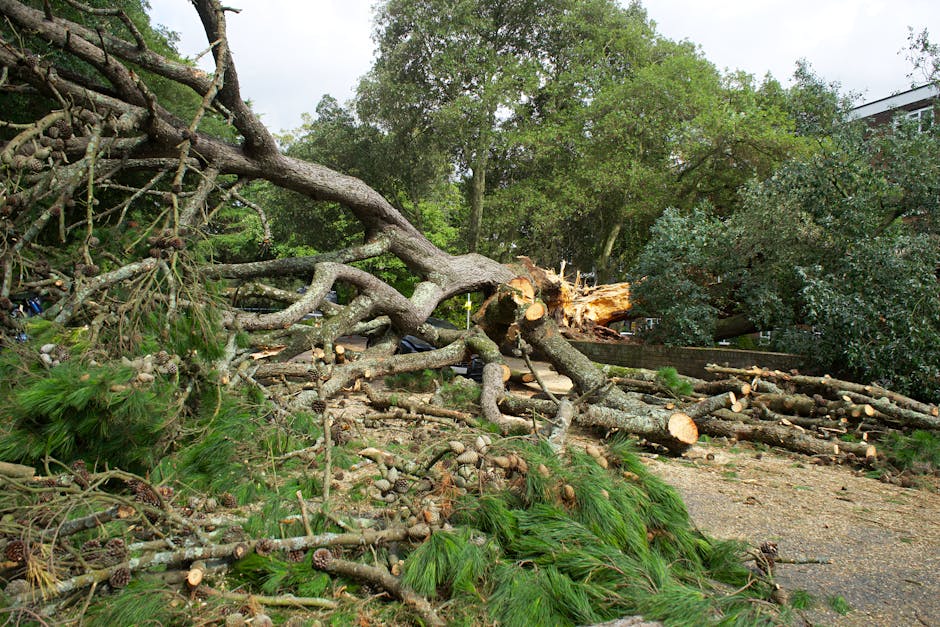
If a tree has split after a gusty night, a heavy branch is hanging over the drive, or roots and debris are making the garden feel unsafe, you do not want to spend hours wondering who can help. You want someone local, capable, and able to respond fast. That is exactly where same day gardeners for emergency tree work Goodmayes becomes valuable: urgent, practical help when the situation cannot wait until next week.
In Goodmayes, emergency tree issues often happen at the worst possible time. It might be during school run traffic, just before guests arrive, or after a wet and windy spell when the garden suddenly looks like it has taken a beating. The right response is not panic. It is a calm, organised approach that puts safety first, protects nearby property, and gets the site back under control as quickly as possible.
This guide explains what same day emergency tree help involves, how it usually works, what to expect from a professional visit, and how to decide whether you need tree surgery, tree lopping and removal, or a broader garden clearance service. It also covers common mistakes, compliance points, and a straightforward checklist you can use before you call.
- Why fast emergency tree help matters
- How same day emergency tree work works
- Key benefits and practical advantages
- Who this service is for
- Step-by-step guidance
- Expert tips for better results
- Common mistakes to avoid
- Tools, resources and recommendations
- Law, compliance and best practice
- Options and comparison table
- Real-world example
- Practical checklist
- Conclusion
- Frequently asked questions
Why Same day gardeners for emergency tree work Goodmayes Matters
Emergency tree work is not just a tidy-up job. It is often about preventing a dangerous situation from getting worse. A cracked limb can drop without warning. A leaning tree can shift after more rain. A broken section can block access, damage fencing, or make the garden unsafe for children, neighbours, or pets. That sounds dramatic, but in real life these things are usually messy, awkward, and very urgent.
Same day response matters because tree problems tend to escalate. Wet wind loosens weakened branches. A partial collapse can strain the rest of the tree. A fallen trunk may press against sheds, fences, or even outbuildings. In those situations, speed is not just convenient; it can reduce further damage and help you avoid a much bigger job later.
There is also the simple stress factor. Let's face it, most people do not feel calm staring at a tree limb hanging over the path. Having a local team assess it quickly can take the pressure off and help you make sensible decisions instead of rushing into guesswork with a saw and a ladder. Never a great combo, that one.
If the issue is confined to the tree itself, a focused visit may be enough. But if branches, debris, or damaged planting areas have spread across the garden, a wider service such as garden clearance may be the cleaner solution. And when the tree problem is part of a broader garden condition issue, regular garden maintenance can help prevent repeat emergencies in the first place.
How Same day gardeners for emergency tree work Goodmayes Works
Same day emergency tree work usually begins with a fast phone assessment. The aim is to establish whether the tree is actively dangerous, what access is available, and what equipment might be needed. A good provider will ask practical questions: Is the tree blocking a driveway? Is anything resting on a fence? Has the trunk split? Is the site near cables or a neighbour's boundary?
From there, the team decides whether they can attend immediately or whether the situation needs a short delay for the right crew and equipment. Not every urgent call is the same. Some jobs are straightforward branch removal; others need careful sectioning, traffic-aware access, or coordination around structures and nearby planting.
On arrival, the first job is usually to make the area safe. That may include cordoning off the space, assessing unstable limbs, and working out which parts of the tree need removal first. The work itself can involve pruning, crown reduction, dismantling dangerous sections, or full removal if the tree has become structurally unsound. For more technical work, tree surgery is often the right route because it focuses on safe, controlled tree care rather than simply cutting things back and hoping for the best.
Sometimes, the most effective approach is a combination of services. A branch may need immediate removal, the remaining stump or damaged trunk may need follow-up work, and the surrounding area may need cleaning once the danger has passed. In those cases, tree lopping and removal can be paired with a more complete tidy-up so the garden feels usable again, not just less hazardous.
Key Benefits and Practical Advantages
There are several reasons people choose emergency garden help instead of waiting. The obvious one is safety, but there are other practical benefits too.
- Quicker hazard reduction: unstable branches and leaning sections are dealt with before they worsen.
- Less secondary damage: rapid intervention can protect fences, sheds, patios, and vehicles.
- Better decision-making: a professional can tell you whether the tree needs pruning, reduction, or removal.
- Cleaner site recovery: once the dangerous material is removed, the garden can be made usable again sooner.
- Lower stress: you are not left improvising with a problem that is clearly outside everyday DIY territory.
There is also a subtle but important benefit: a proper emergency visit often stops people from making the kind of rushed mistake that turns a manageable issue into an expensive one. Cutting a heavy limb in the wrong direction, for example, can create a swing, a split, or a dropped load onto the wrong surface. That is one of those situations where enthusiasm is not a substitute for method.
For gardens with repeated seasonal growth issues, it can also be a useful wake-up call. You may realise that nearby shrubs, hedges, or overgrown borders are making access difficult and increasing the risk of future problems. In that case, services like hedge trimming or broader gardening services can make the whole space easier to manage.
| Situation | Likely need | Why a same day response helps |
|---|---|---|
| Broken branch hanging over a path | Urgent removal or reduction | Reduces immediate injury risk and clears access fast |
| Tree leaning after strong wind | Assessment and possible dismantling | Prevents sudden collapse or further movement |
| Fallen tree on a fence | Removal and site clearance | Limits follow-on damage and speeds up recovery |
| Blocked garden entrance | Selective cutting and debris removal | Restores access without waiting for a larger booking |
Who This Is For and When It Makes Sense
This kind of service is for anyone who has a tree-related problem that feels unsafe, unstable, or simply impossible to leave sitting there. Homeowners are the most obvious group, but landlords, letting agents, property managers, and even business owners with small outdoor spaces may need same day help from time to time.
It makes sense when the tree issue is affecting one or more of the following:
- pedestrian access
- driveway or vehicle access
- fences, sheds, garages, or outbuildings
- neighbouring gardens or boundaries
- play areas or seating areas
- power lines or overhead services nearby
It also makes sense if you are unsure whether the tree is still safe. A lot of people wait too long because the branch is not yet on the ground. Truth be told, that is often the exact stage when urgent help is most useful. Once the problem becomes obvious to everyone, the damage is usually already underway.
If the tree issue is connected to a general garden reset after storm damage or long neglect, the best next step may not be a single tree cut. A mixed approach with tree lopping and removal plus follow-up garden tidy-up can be more sensible than trying to patch one visible problem and ignoring the rest.
Step-by-Step Guidance
If you are dealing with an emergency tree issue in Goodmayes, the following process is the most practical way to handle it.
- Stay clear of the danger zone. Do not stand under a split limb or near a leaning trunk. It sounds obvious, but in a tense moment people often move closer for a better look.
- Check for immediate hazards. Look for blocked exits, damaged fencing, snapped branches, or anything touching walls, roofs, or neighbouring property.
- Take a few photos from a safe distance. This can help with explaining the issue and may be useful later for records or insurance conversations.
- Contact a local team that handles urgent tree work. Give a clear description of what happened, when it happened, and whether access is restricted.
- Follow the advice you are given. If you are told to keep away from a section of the garden, do it. Nobody gets extra points for being brave with unstable timber.
- Ask what the first attendance will include. Will they secure the area, remove dangerous sections, or return with different equipment? Clarity helps.
- Confirm cleanup expectations. Emergency work is not just about cutting. You want to know whether branches, timber, and debris will be stacked, removed, or left ready for follow-up.
- Plan any second-stage work. Some jobs finish in one visit. Others need later pruning, stump work, or general tidying to fully resolve the issue.
A small but useful tip: keep gates unlocked if it is safe to do so, and make sure someone can answer the door or phone. A delayed handover can slow the whole process down. Not ideal when a branch is already half-off the tree and swaying in the wind.
Expert Tips for Better Results
Good emergency tree work is usually a mix of calm judgement and the right order of operations. The following points can make a real difference.
- Describe the problem precisely. "A tree is dangerous" is less useful than "a large limb has cracked and is resting on the fence."
- Do not overstate DIY plans. If you have already touched the branch, say so. That helps the team assess risk more accurately.
- Ask about access before the crew arrives. Narrow side passages, locked rear gates, and awkward parked cars can all slow the job.
- Think beyond the tree. Sometimes the real issue is a damaged boundary or overgrown space that limits safe cutting. In those cases, fencing repairs or broader site tidying may be worth planning next.
- Keep the work area clear. Move pots, garden furniture, and bikes away if you can do so safely.
One thing experienced gardeners notice quickly is whether the site is being treated as a one-off incident or as part of a bigger garden condition. A badly overgrown garden tends to make emergency work slower and messier. That is where the right follow-up services matter. For example, if the tree debris has spread across borders and lawn edges, combining the response with lawn care or lawn mowing can bring the whole garden back into shape instead of just patching the worst bit.
And yes, sometimes the smartest move is to do less, not more. If a branch is safe to leave until a planned visit, a good professional will usually tell you that rather than pushing unnecessary work. That is a reassuring sign, not a sales delay.
Common Mistakes to Avoid
When a tree problem appears suddenly, it is easy to make quick decisions that do not age well. These are the most common missteps.
- Waiting too long: small cracks and hanging limbs can become bigger issues very quickly after rain or wind.
- Using the wrong tool: a household saw is not the answer to heavy timber under tension.
- Cutting from the wrong side: this can make a limb swing or collapse unpredictably.
- Forgetting nearby structures: fences, sheds, and glass are often more at risk than the tree itself.
- Ignoring cleanup: leaving debris behind can create trip hazards and make the garden harder to use.
- Not checking the wider site: a damaged tree may reveal poor access, overgrowth, or weak boundaries that also need attention.
There is also the quieter mistake of assuming every urgent tree issue needs a full removal. Not always. Sometimes careful pruning or staged reduction is the better answer, especially if the tree still has healthy structure. That is where skilled assessment matters more than quick chopping.
If the emergency has created a general mess rather than a pure tree problem, a full tidy-up through garden clearance may be the cleaner and safer next step. It is boring advice, maybe, but practical. And practical wins on days like this.
Tools, Resources and Recommendations
For readers trying to understand what a good emergency tree visit may involve, it helps to know the kinds of tools and support a professional team typically relies on. This is not about becoming an operator yourself; it is about recognising a proper setup when you see one.
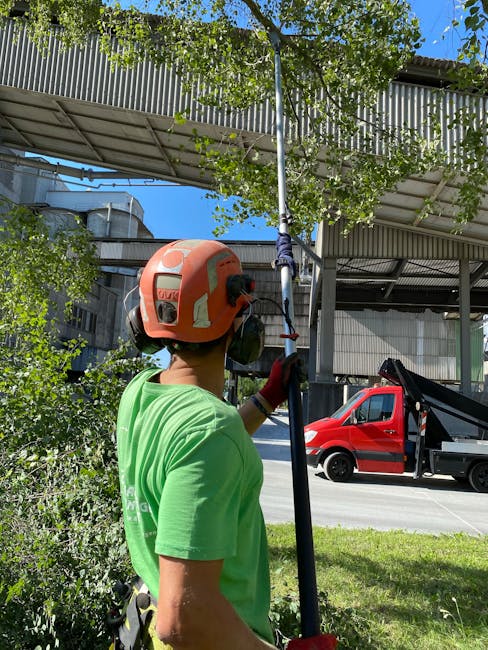
- Protective equipment: helmets, gloves, eye protection, and sturdy footwear.
- Cutting and lowering gear: used to remove branches in a controlled way.
- Access tools: ladders, poles, or climbing systems where safe and appropriate.
- Site control items: cones, barriers, or simple cordons to keep people away.
- Clearance equipment: for removing arisings and leaving the area tidy.
From a homeowner's point of view, your most useful resources are simple ones: a torch, a phone camera, a clear path to the garden, and a short written note of what happened. If a storm has passed through during the night and everything is wet, muddy, and noisy, even a brief note about time and visible damage can help later.
If the same problem keeps recurring because the garden is overgrown, a more structured approach may be needed. That could include hedge trimming to restore access, landscaping to improve layout, or even landscape gardening if the current setup is simply not working for the space.
For jobs involving hard surfaces damaged by branches or muddy debris, a follow-up visit for patio cleaning may also be worthwhile once the urgent tree risk has been dealt with. It sounds secondary, but a slick patio after a storm can be almost as annoying as the tree itself.
Law, Compliance, Standards, or Best Practice
Tree work can involve safety, property boundaries, and in some cases protected trees or neighbour considerations. Because of that, it should be handled carefully and in line with accepted UK best practice. If you are unsure whether a tree has any special status or whether consent is needed for certain work, it is sensible to pause and get proper advice before major cutting begins.
Professional tree work should normally be carried out with attention to risk assessment, safe access, and suitable protective measures. In plain English, that means the work should be planned, not improvised. A good provider should also be able to explain what they are doing and why, especially where a tree is unstable or the site is tight.
Insurance matters too. Emergency tree work can be physically awkward, and accidental damage is a real concern if the tree is close to structures. A trustworthy company should be clear about insurance and safety arrangements. If you want to understand how a provider approaches this side of the job, the pages on insurance and safety and health and safety policy are sensible places to look.
There are also normal expectations around fair pricing, clear scope, and how quotes are explained. Urgent work can be more complex than routine visits, so a careful quote should ideally spell out what is included, what may change onsite, and whether follow-up work is separate. The same applies to payment terms and general conditions, which should be transparent rather than vague. If you are comparing providers, the company's pricing and quotes information can help set expectations before anyone starts cutting.
If waste is being removed, responsible disposal also matters. Green material should be handled thoughtfully, and where possible, processed in line with normal sustainability practices. For readers who care about that side of the job, recycling and sustainability is a useful reference point.
Options, Methods, or Comparison Table
Not every emergency tree issue is handled the same way. The right method depends on the tree's condition, location, and how much immediate danger there is. Here is a practical comparison.
| Method | Best for | Pros | Limitations |
|---|---|---|---|
| Selective branch removal | Broken limbs, overhanging hazards, partial damage | Fast, targeted, preserves more of the tree | Not suitable if the main structure is failing |
| Tree surgery | Structural concerns, staged reduction, controlled correction | More precise, better for long-term tree health | May take more assessment time |
| Tree lopping and removal | Severe instability, storm collapse, unsafe trees | Removes the danger decisively | More intrusive; may not be necessary for minor damage |
| Garden clearance | Mixed debris, fallen branches, general storm mess | Restores usability quickly | May not address the tree source itself |
The best choice is rarely the most dramatic one. If the tree still has sound structure, careful surgery is usually preferable to removal. If the trunk is split and the whole thing is moving, removing the danger becomes the priority. Simple enough, but worth saying.
Case Study or Real-World Example
Picture a typical Goodmayes morning after a windy night. A homeowner steps into the garden and finds one large branch hanging low across the side path. It has not fallen completely, but the weight has shifted, the bark is cracked, and every little gust makes it move. The path is narrow, the bin store is behind it, and there is a fence panel already under strain.
The first instinct is often to wait and see. But that can be risky. In a case like this, a same day visit would usually start with making the area safe, then removing the loose section in a controlled way. If the rest of the tree looks stable, the team may leave it with a recommendation for later pruning. If the damage runs deeper, a more technical follow-up may be suggested.
What the homeowner usually notices most is not just the result, but the relief. The path is clear again. The fence is no longer under pressure. The garden stops feeling tense every time the wind picks up. That shift from "what if it falls?" to "right, that's sorted" matters more than people expect.
And yes, the garden may still need more attention afterwards. A branch removed in a hurry can leave a bit of a mess, a patch of torn ground, or a crushed shrub nearby. That is where a follow-on visit for maintenance, tidying, or related work can turn a stressful incident into a manageable reset.
Practical Checklist
Use this checklist if you are facing an urgent tree issue in Goodmayes.
- Keep people and pets away from the affected area.
- Look for signs of movement, cracking, or branches under tension.
- Check whether the tree is touching fencing, buildings, or vehicles.
- Take safe photos from a distance if possible.
- Note the time, weather conditions, and what changed.
- Contact a local team that can handle same day tree work.
- Ask whether the issue needs urgent removal, tree surgery, or clearance.
- Make access easier if you can do so safely.
- Confirm what cleanup and disposal are included.
- Plan any follow-up work before the garden starts to drift back into chaos again.
Quick summary: the best emergency response is calm, safe, and specific. Remove the danger first, restore access, and then deal with the rest of the garden in the right order.
Get a free quote today and see how much you can save.
Conclusion
Same day emergency tree work is one of those services you hope you never need, until you absolutely do. When a tree becomes unstable, every hour can matter. The goal is not only to cut something back quickly, but to make the garden safe, protect nearby property, and give you a clear plan for what comes next.
If you remember one thing, let it be this: a fast response is useful, but a careful response is what really solves the problem. The best outcome is usually a garden that feels calm again, not just a tree that looks shorter. That difference is subtle until you are standing there on a wet afternoon with a cracked branch overhead.
With the right help, even a messy tree emergency can be turned into a controlled, sensible repair of the space. And once that is done, the garden can go back to doing what it should do - being a place you can use, not a thing you worry about every time the wind gets up.
Frequently Asked Questions
What counts as an emergency tree job in Goodmayes?
An emergency tree job usually involves a tree or branch that is unsafe, partially fallen, blocking access, damaging property, or likely to fail soon. If it feels risky to stand near it, treat it seriously.
Can same day gardeners deal with storm-damaged trees?
Yes, if the issue is within their tree work capability and access is manageable. They may remove dangerous branches, make the site safe, or advise on a larger tree surgery job if needed.
Is emergency tree work always a full tree removal?
No. Sometimes selective pruning, branch removal, or tree surgery is enough. Removal is usually reserved for trees that are structurally unsafe or too damaged to keep.
How quickly can same day tree work usually happen?
That depends on the severity of the issue, the weather, crew availability, and access. Some jobs can be attended very quickly, while others need a scheduled urgent slot with the right equipment.
What should I do before the team arrives?
Keep people away from the danger area, take safe photos, unlock access if possible, and describe the problem clearly. Do not try to make risky cuts yourself.
Will the crew clear away the branches afterwards?
Often, yes, but it is sensible to confirm. Some jobs include full removal and cleanup, while others may focus on making the site safe first and returning later for more extensive tidying.
Do I need to worry about nearby fences or patios?
Absolutely. These are often the first things damaged when a tree or branch fails. If the incident has affected hard landscaping, mention that upfront so the team can plan properly.
What if the tree is near a neighbour's boundary?
Say so when you call. Boundary situations can need extra care and clear communication. It is better to be transparent early than to sort out avoidable confusion later.
Is tree surgery better than tree lopping?
They are not always interchangeable. Tree surgery is usually the more precise and considered option, while lopping and removal can be more suitable where the tree is unsafe or needs urgent reduction. The right choice depends on the tree's condition.
How do I know if the tree is too dangerous to approach?
If the trunk is cracked, the tree is leaning more than before, the branches are moving strangely, or anything is hanging under tension, keep away. If in doubt, do less, not more. That old boring rule saves trouble.
Can an urgent tree job be combined with other garden work?
Yes. If the incident has left the whole garden untidy or difficult to access, follow-up work such as garden clearance, hedge trimming, lawn care, or patio cleaning can help restore the space properly.
What makes a good provider for emergency tree work?
A good provider is clear about safety, honest about what can be done the same day, practical about cleanup, and careful about the condition of the tree rather than just rushing to cut. Calm competence counts for a lot here.