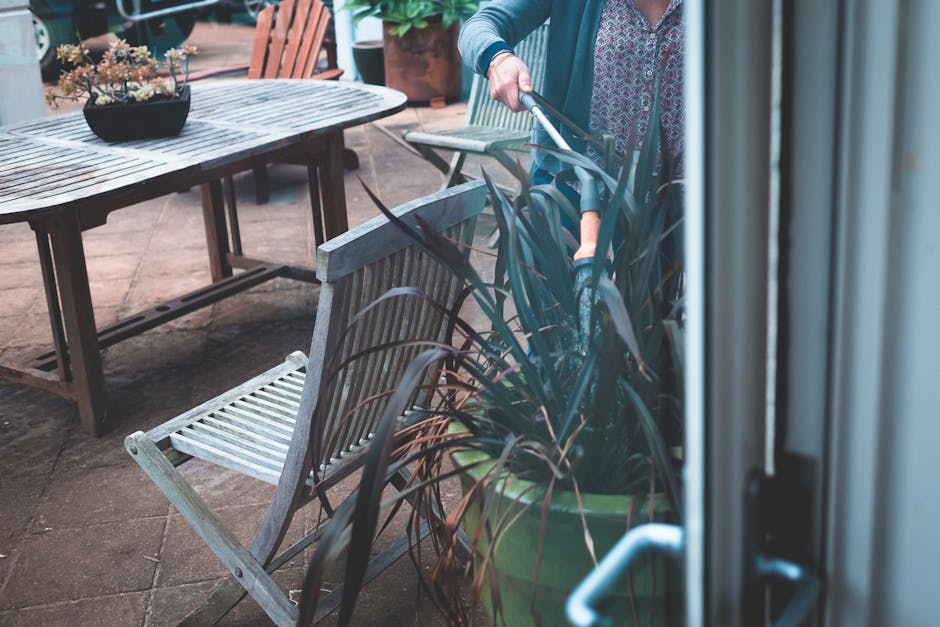
Top garden maintenance for terraces on Seven Kings Road
Terrace gardening looks simple from the pavement, but anyone who has tried to keep pots tidy through a windy week, a sudden frost, and a burst of summer growth knows the truth: it takes planning. Top garden maintenance for terraces on Seven Kings Road is about making a small outdoor space feel calm, safe, and attractive without turning it into a second job. If your terrace is one of those places that should feel effortless but somehow always needs deadheading, sweeping, and a bit of rescue work, this guide is for you.
Below, you'll find practical advice for shaping a terrace that works in real life: compact planting, drainage, pruning, surface care, privacy, wind protection, and a sensible maintenance rhythm. We'll also cover when a professional touch can save time and stop small issues becoming expensive ones. No fluff. Just the things that genuinely matter on a London terrace.
Why Top garden maintenance for terraces on Seven Kings Road Matters
Terraces behave differently from front gardens, back gardens, and communal plots. They're more exposed, usually smaller, and often built around hard surfaces, containers, railings, and limited access. That combination means every detail matters. A neglected pot can look untidy very quickly. A blocked drain on a terrace can turn into standing water before you've had your coffee. And in a breezy stretch of East London, a single tall plant can get battered if it isn't supported properly.
Seven Kings Road also has the sort of everyday urban conditions that make regular maintenance more than a nice extra. Dust builds up. Leaves collect in corners. Sun and shade shift across the space during the day. One side of the terrace may dry out fast while another stays damp, which means planting decisions have to be a bit smarter than "buy something green and hope for the best".
Good maintenance keeps the space usable. That sounds obvious, but it really is the point. A terrace should be somewhere you step out for five minutes in the morning and actually enjoy, not somewhere you avoid because the surface is slippery, the herbs are drooping, and the ivy has decided it owns the place. For anyone wanting a broader service rhythm, our general garden maintenance page explains the kind of ongoing care that keeps outdoor spaces under control.
How Top garden maintenance for terraces on Seven Kings Road Works
Terrace maintenance works best when it follows a repeatable cycle rather than random "clean-up days". In practice, that means inspecting, clearing, trimming, feeding, checking structure, and adjusting for weather. You are not just tidying; you are managing a small living system.
A well-kept terrace usually rests on five practical layers:
- Surface care - sweeping, washing, algae removal, and checking for slippery spots.
- Plant care - watering, feeding, deadheading, pruning, and replacing tired specimens.
- Container care - checking drainage holes, pot stability, compost condition, and root crowding.
- Wind and privacy control - using trellises, climbers, or screening to soften exposure.
- Seasonal adjustment - changing plant choices and protection measures as the weather shifts.
The exact routine depends on how your terrace is used. A family terrace with pets and regular foot traffic needs a different maintenance pattern than a quiet seating area with a few ornamental pots. To be fair, that's why terraces often look good after installation but drift downhill if nobody owns the upkeep.
It can also help to think of your terrace in zones. The "edge zone" may need wind-tolerant plants, the "feature zone" may need focal pots or seating, and the "utility zone" may hold bins, tools, or storage. Once you see the space that way, maintenance becomes easier. You stop treating every square metre as equal.
Key Benefits and Practical Advantages
There are obvious visual benefits to consistent terrace care, but the less obvious ones matter just as much.
- Better plant survival: Regular checks stop small issues like dry compost, pests, or root-bound pots from snowballing.
- Safer surfaces: Clean terraces reduce moss, mud, and slipping risk, especially after wet spells.
- More usable space: A tidy terrace feels bigger. Funny how that works, but it does.
- Lower long-term costs: Replacing a plant early is cheaper than rescuing a whole container display later.
- Stronger curb appeal: Even a modest terrace can make a property feel cared for.
- Better privacy and comfort: Strategic planting and screening make the space more relaxing.
There's also a simple lifestyle benefit. When a terrace is maintained properly, you use it more. A clean, planted, well-drained outdoor space invites morning tea, a quick stretch, a phone call outside, or a quiet minute in the evening when the street noise drops. That daily use is what makes the maintenance worthwhile.
Expert summary: On terraces, the best maintenance is not the most dramatic one. It is the one that prevents build-up, protects containers, and keeps the space calm through the seasons.
If you're looking for ideas that improve the feel of a terrace as well as its upkeep, garden seating ideas for an outdoor retreat can help you choose pieces that are attractive without becoming maintenance headaches.
Who This Is For and When It Makes Sense
This kind of maintenance is a good fit for several different people:
- Busy homeowners who want an attractive terrace without spending every weekend on it.
- Landlords and property managers who need outdoor areas to stay presentable between tenancies.
- Families who want a safe, practical terrace rather than a fragile display.
- Retirees who prefer lighter maintenance, simpler planting, and predictable routines.
- Pet owners who need durable, tidy planting and less mess underfoot.
- Anyone with a windy, shaded, or awkward terrace that needs a more thoughtful setup.
It makes sense to bring in proper help when the terrace has become hard to manage, when drainage is poor, when the planting has outgrown the space, or when you simply do not have the time to keep up. If the terrace has climbed from "needs a tidy" to "I am avoiding that door", that's usually the moment to act.
For some people, the priority is aesthetic. For others, it's safety or time-saving. Most terraces need all three, truth be told.
Step-by-Step Guidance
Here's a practical terrace maintenance routine you can actually keep up with. No heroic effort required.
- Start with a full reset
Remove dead leaves, broken stems, empty pots, old labels, and any debris in corners. Open the space up first so you can see what needs attention. - Check the surface
Look for algae, grime, loose grouting, blocked drainage points, or movement in decking boards and patio slabs. On a terrace, the ground condition matters more than people think. - Inspect containers
Lift pots if possible and confirm they are draining properly. Heavy pots can trap water underneath, and in winter that can become a problem fast. - Prune and deadhead
Cut back tired growth, remove faded flowers, and shape plants so they stay balanced. The goal is healthy structure, not just neatness. - Water with intent
Terraces dry out quickly in sun and wind, but overwatering is just as common. Check the top layer of compost rather than watering by habit. - Feed according to the season
Use compost or fertiliser when the plants are actively growing, then ease off when growth slows. Overfeeding can create soft, weak growth. - Protect against wind and frost
Move vulnerable pots closer to shelter. Wrap delicate containers if a cold snap is expected. If your terrace is exposed, this one step can save a lot of grief. - Refresh tired planting
Swap out annuals, top up mulch, and replace anything that has clearly had enough. Sometimes a terrace just needs one or two changes to look alive again. - Finish with a clean, usable layout
Re-space furniture, check access routes, and leave enough room to walk without shuffling sideways. That sounds minor, but it changes how the terrace feels.
If your terrace has been neglected for a while, it may help to look at how to reawaken a dormant garden. The same ideas work well when a terrace needs a fresh start after months of being ignored.
Expert Tips for Better Results
Here are the details that often make the biggest difference on terraces.
Choose plants that behave well in containers
Not every plant wants life in a pot. The best terrace plants are resilient, manageable, and suited to restricted root space. Herbs, compact grasses, smaller evergreen shrubs, and some climbers can work well. Large, thirsty plants with aggressive roots are usually more trouble than they're worth.
Use layers, not clutter
A terrace can look busy in a good way or messy in a bad way. A layered layout means a few taller points, mid-height fillers, and low planting that softens edges. Too many separate items, though, and the space starts looking like a storage shelf outside. Not ideal.
Make wind part of the design
If your terrace catches strong gusts, treat that as a design factor, not a nuisance. Trellises, screens, and sturdy planting can reduce the shock to delicate foliage. Our guide to wind mitigation in gardening offers ideas that are especially useful for exposed terraces.
Keep water where it belongs
Terraces often need better water discipline than ground-level gardens. Self-watering containers, saucers used sensibly, and well-draining compost can help. But do not let water sit too long under pots. That's one of those small things people forget until roots are sulking.
Use vertical space wisely
When floor space is limited, walls and railings become valuable. Vertical planting, climbing features, and mounted displays can add greenery without crowding the terrace. If you want to explore this approach further, vertical gardens are worth looking at.
Be realistic about maintenance time
A terrace should suit your life, not the other way around. If you only have twenty minutes a week, design for that. Lower-maintenance planting, fewer containers, and simpler layouts are often the smartest choice. In our experience, the best terrace is rarely the most complicated one.
Common Mistakes to Avoid
Terrace upkeep tends to fail for predictable reasons. If you avoid these, you're ahead already.
- Overcrowding the terrace: Too many pots make maintenance harder and reduce air flow.
- Ignoring drainage: Standing water damages roots and encourages mess.
- Choosing thirsty plants for a windy terrace: They may look good for two weeks, then suffer.
- Forgetting seasonal changes: Summer planting arrangements rarely survive winter unchanged.
- Letting climbers run wild: Ivy and fast climbers need control, especially near walls and railings. If that's becoming a problem, our article on removing ivy from your garden is a sensible read.
- Using furniture that blocks access: Maintenance becomes awkward if every watering can trip has to involve a shuffle and a sigh.
- Neglecting the hidden corners: That little gap behind the planter can hold leaves, pests, and moisture.
One common slip is making the terrace look perfect for a week, then assuming it will stay that way on its own. It won't. Gardens, even tiny ones, are a bit cheeky like that.
Tools, Resources and Recommendations
You do not need a shed full of specialist kit to maintain a terrace well. A small, sensible kit is usually enough.
| Tool or resource | What it helps with | Why it matters on terraces |
|---|---|---|
| Hand trowel and fork | Repotting, weeding, compost work | Essential for containers and narrow spaces |
| Bypass secateurs | Pruning and deadheading | Cleaner cuts help plants recover faster |
| Stiff broom | Routine sweeping | Keeps hard surfaces tidy and safer |
| Watering can or hose attachment | Controlled watering | Useful where overwatering is easy |
| Pot feet or risers | Drainage and airflow | Helps protect surfaces from staining |
| Compost and mulch | Nutrient support and moisture retention | Keeps containers healthier for longer |
| Simple support stakes | Plant stability | Especially useful in exposed, windy spots |
For anyone starting from scratch, a good reference point is our guide to must-have garden gear. It keeps things practical and avoids buying shiny tools that never get used.
There are also a couple of other useful directions to think about depending on your terrace goals. If you want low effort and clean lines, low-maintenance garden designs are a smart place to start. If you want stronger screening or softer edges, hedge favourites for quick privacy may offer the right kind of structure, though on a terrace these are usually better in container-friendly forms or through screening features rather than full ground planting.
Law, Compliance and Best Practice
For most terrace maintenance, the main concerns are safety, access, and avoiding nuisance rather than complex legal issues. Still, there are a few best-practice points worth keeping in mind.
Shared access: If your terrace is part of a block, shared building, or managed property, avoid obstructing walkways, emergency routes, or access panels. Keep plants and furniture within the space you are allowed to use.
Water management: Terrace drainage should be monitored carefully. Standing water can create slip hazards and may cause damage to surfaces or adjacent areas. If drainage seems slow or inconsistent, that deserves attention early.
Working at height: If pruning or cleaning involves awkward reach, railings, or elevated edges, use proper equipment and sensible technique. In many terrace settings, it's better to use a safe step platform or call in help than to lean too far and hope for the best. Hope is not a plan.
Plant choice and neighbours: Fast-growing climbers and screening plants can be useful, but they should be maintained so they do not cause damage, block light, or create complaints. If a terrace forms part of a property boundary, this matters even more.
Service standards: Reputable maintenance work should be clear about scope, timing, health and safety practices, and what happens if weather interrupts the schedule. If you are comparing support options, pages like insurance and safety, health and safety policy, and terms and conditions can help you understand how a provider frames that responsibility.
There is also value in choosing transparent providers who explain pricing, timing, and payment clearly. The small details matter because terrace jobs often evolve once the area is opened up.
Options, Methods, or Comparison Table
Not every terrace needs the same approach. Some need regular professional maintenance, others only seasonal refreshes, and some are best managed through a simple homeowner routine.
| Approach | Best for | Strengths | Trade-offs |
|---|---|---|---|
| DIY weekly care | Small, simple terraces | Low cost, flexible, hands-on | Easy to fall behind |
| Seasonal professional visit | Tidy terraces that need refreshes | Good reset for planting and surfaces | Less frequent oversight |
| Regular maintenance plan | Busy homes and exposed terraces | Consistent results, fewer surprises | Ongoing commitment |
| Design-led rebuild | Overgrown or awkward terraces | Solves root causes, improves layout | Higher upfront effort |
If the terrace already works well, weekly DIY care plus a seasonal tidy may be enough. If it's awkward, windy, or always falling into disrepair, a more structured plan makes life easier. A good rule of thumb: if the same problems keep returning, the maintenance strategy probably needs changing, not just repeating.
Case Study or Real-World Example
Imagine a narrow terrace on Seven Kings Road with a small seating area, three large pots, one tired climber, and a patch of slippery paving by the back door. It looked okay in early spring, then got messy by midsummer. The pots dried out unevenly. The climber flopped into the walking space. Leaves gathered in the corner and the surface started to feel greasy after rain.
The fix was not dramatic. In fact, it was quite ordinary, which is the point. The terrace was cleared back, the worst plant was replaced with a smaller, sturdier option, the climber was trained onto a simple support, and the paving was cleaned properly. Two containers were raised on risers to improve drainage. A windier corner was softened with a more sheltered planting choice rather than something fragile and fussy.
Within a short time, the terrace felt calmer. Not "magazine perfect". Just usable, neat, and pleasant to step into. That usually matters more. You could put a chair out without moving two things first. You could water the plants without making a puddle. Small wins, but they stack up.
This is also where a broader service mix can help. If the terrace connects to paved paths or decking, related care like patio cleaning or decking services may be worth considering alongside planting maintenance. And if the terrace needs a stronger edge, screening, or structure, landscaping and fencing can make a very practical difference.
Practical Checklist
Use this checklist for a terrace refresh or routine maintenance visit:
- Clear leaves, dust, and loose debris from all corners.
- Check drainage points and remove visible blockages.
- Inspect pots for cracks, root crowding, and poor drainage.
- Water only what needs watering.
- Deadhead faded flowers and remove dead stems.
- Prune back overgrown growth before it blocks paths or railings.
- Top up compost where containers look tired or sunken.
- Check for moss, algae, or slippery patches on hard surfaces.
- Move exposed pots to more sheltered positions before strong winds.
- Review screening, privacy, and seating layout so the terrace feels easy to use.
- Replace weak or failing plants before they drag the whole look down.
- Give the terrace one final look from the doorway. That view tells you a lot.
If you want a greener, softer look, you might also enjoy exploring ground cover plant ideas and a zen-inspired garden approach. Both can influence how calm a terrace feels, especially when space is tight.
Conclusion
Top garden maintenance for terraces on Seven Kings Road is really about balance: keeping things neat without stripping away character, choosing plants that fit the space, and paying attention to the details that terraces reveal quickly. Small spaces are unforgiving, yes, but they are also rewarding. A minor improvement shows immediately. A better pot, a cleaner surface, a smarter plant choice - suddenly the whole area breathes again.
If your terrace has become hard to manage, don't wait for the next season to sort itself out. The best outdoor spaces usually start with one sensible step, not a grand overhaul. And once the basics are in place, the terrace becomes the kind of place you naturally use more often, which is the real win.
Get a free quote today and see how much you can save.
Frequently Asked Questions
What does terrace garden maintenance usually include?
It usually includes sweeping or washing hard surfaces, checking drainage, watering and feeding plants, pruning, deadheading, replacing tired pots, and keeping the layout safe and usable. On an exposed terrace, it may also include wind protection and seasonal plant changes.
How often should a terrace be maintained?
Most terraces benefit from a light weekly check and a fuller tidy every few weeks during the growing season. In winter, the pace can slow a little, but drainage, frost protection, and surface safety still need attention.
Why are terraces harder to look after than normal gardens?
They are usually more exposed to wind, heat, and drying conditions, and they rely heavily on containers rather than open soil. That means plants need closer monitoring and surfaces can become messy or slippery more quickly.
What plants work best on a terrace?
Compact, container-friendly plants tend to work best. Herbs, smaller evergreens, tidy grasses, and some climbers are often reliable choices. The exact mix depends on how much sun, shade, and wind the terrace gets.
How do I stop my terrace from looking cluttered?
Keep the number of pots manageable, use a clear layout, and choose a limited colour palette for containers and furniture. Vertical planting can help if you want more greenery without losing floor space.
Is patio cleaning part of terrace maintenance?
Yes, very often. Cleaning the terrace surface is one of the quickest ways to improve appearance and safety. It also helps spot drainage issues, cracks, or movement in paving and decking.
Can terrace maintenance help with privacy?
Definitely. Careful use of screening plants, climbers, and structural features can make a terrace feel more secluded. You do not always need a full screen; sometimes one or two well-placed elements are enough.
What should I do before a windy spell?
Move lightweight pots closer to shelter, secure tall or top-heavy plants, and check supports are stable. Wind can do more damage to a terrace display than people expect, especially when containers are already dry.
How do I know when a terrace needs professional help?
If the same problems keep coming back, if drainage is poor, if plants are constantly failing, or if the space feels unsafe or overwhelming, professional help can save time and prevent more expensive repairs later.
Are low-maintenance terrace designs really possible?
Yes, very much so. The key is choosing the right plants, limiting the number of containers, using sturdy materials, and building a simple maintenance routine you can actually stick to. Low maintenance does not mean dull.
What is the biggest mistake people make with terrace plants?
Overwatering or underestimating how fast containers dry out is probably the most common mistake. The second big one is choosing plants that are not suited to the terrace's wind or sun exposure.
Can terrace maintenance be combined with other services?
Yes. It often makes sense to combine plant care with lawn care, lawn mowing, or broader gardening services if the terrace forms part of a wider outdoor space. That way, the whole property feels joined up rather than patched together.
How do I get started if my terrace is already overgrown?
Start with a reset: remove debris, cut back overgrowth, inspect surfaces and containers, and decide what is worth keeping. Once you can see the bones of the space again, it becomes much easier to make good choices. If it feels too much, that is often the right point to ask for help.
Where can I find out more about the team behind the service?
It's usually worth reading a company's about us page to understand their background and approach before booking. That simple bit of research can make the whole process feel more straightforward.