020 3744 3778
Gardening Brilliance Begins with These 3 Weed Control Tips
Posted on 13/09/2025
Gardening Brilliance Begins with These 3 Weed Control Tips
Achieving a vibrant, healthy garden often starts with mastering garden weed control. Weeds are notorious for competing with your favorite plants for water, nutrients, and space, making effective weed prevention a cornerstone of brilliant gardening. If you dream of flourishing flower beds and bountiful vegetable patches, mastering these three weed control methods will ensure your landscape remains both beautiful and low-maintenance.
Why Is Weed Control Essential for a Brilliant Garden?
Before diving into the best gardening tips for weed control, it's crucial to understand why minimizing weeds is vital for garden health':
- Weeds deprive your plants of water, nutrients, and sunlight.
- They serve as hosts for pests and plant diseases.
- Uncontrolled weeds can ruin the aesthetics of your garden beds.
- Tackling weeds early prevents future infestations.
With that foundation, let's reveal the three top weed management techniques every gardener--novice or expert--should employ.
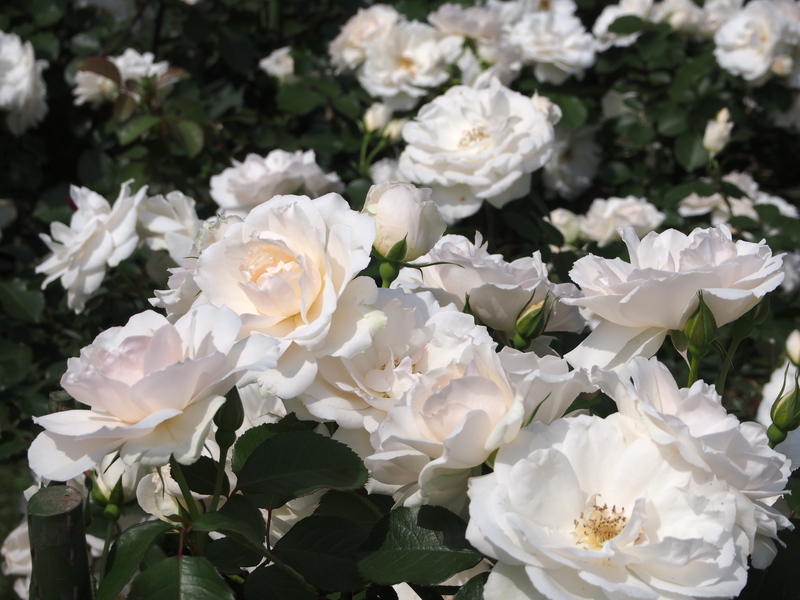
1. Mulching: The Ultimate Barrier for Weed Suppression
How Does Mulch Prevent Weeds?
One of the most effective natural weed control tips is applying mulch. A thick layer of organic or inorganic mulch creates a formidable barrier, blocking sunlight and minimizing the chance for weeds to germinate and grow.
Types of Mulch for Superior Weed Control:- Organic Mulch: Shredded bark, straw, grass clippings, leaf mold, compost
- Inorganic Mulch: Landscape fabric, gravel, rubber mulch, black plastic
*Pro Gardener Tip: Always spread mulch evenly at least 2-4 inches deep, avoiding direct contact with plant stems to prevent moisture-related diseases.*
Mulching Benefits
- Suppresses weed seed germination by blocking light.
- Conserves soil moisture for healthier roots.
- Adds vital organic matter to the soil (for organic mulches).
- Provides a neat, finished look to any planting bed.
How to Mulch Your Garden for Brilliant Weed Control:
- Clear the area of existing weeds and debris.
- Lay down a weed barrier fabric for added protection (optional, but effective).
- Spread your chosen mulch evenly around garden plants and shrubs.
- Replenish mulch at least once or twice a year to maintain its weed-suppressing qualities.
Tip: For vegetable gardens, opt for straw or grass clippings, which decompose over time to nourish the soil.
2. Proactive Gardening: Early Weed Removal & Smart Planting
Weed Early, Weed Often
A crucial aspect of intelligent weed management is consistency. Young weeds are far easier to eliminate than established ones. By removing weeds when they're newly sprouted, you prevent them from seeding and multiplying.
- Inspect your garden beds regularly (once a week is ideal).
- Pull out weeds by the root to reduce regrowth. Use a fork or hand tool for tough weeds.
- Weed after rain, when soil is loose, making removal easier.
- Dispose of weeds away from your compost to prevent seed dispersal.
Companion Planting and Dense Arrangements
Another secret to weed control brilliance is strategic planting. Densely planted beds minimize open soil, reducing space for weeds to take hold. Companion planting--the practice of mixing plant species that support each other's growth--also plays a key role in choking out weeds naturally.
Try these smart gardening techniques:- Interplant fast-growing ground covers (like creeping thyme or alyssum) between main crops.
- Plant in blocks or narrow rows, maximizing canopy cover over exposed soil.
- Alternate between tall and short plants to create a multilayered shading effect.
Grow a Thick, Healthy Lawn
For lawn care brilliance, remember: Thick turf leaves little room for weeds. Water deeply but less frequently, mow at a higher setting, and fertilize appropriately to help your grass outcompete pesky intruders.
3. Smart Use of Landscape Fabrics & Barriers
Weed Barriers: A Modern Gardener's Best Ally
When long-term, low-maintenance weed control is desired, landscape fabrics and physical barriers offer a highly effective solution. These materials physically prevent weeds from emerging while allowing water and air to reach plant roots.
Best Practices for Installing Landscape Fabric:- Remove all existing weeds and debris from the planting area.
- Roll out landscape fabric, cutting holes for desired plants and making sure the material lies flat.
- Anchor the fabric with landscape pins or stakes to prevent shifting.
- Cover the fabric with 2-3 inches of mulch to shield it from sunlight and maintain a natural appearance.
- For pathways, use gravel, brick, or paving stones over weed barrier materials.
- Cardboard and newspaper also serve as biodegradable weed barriers in vegetable gardens--just layer thickly and top with mulch.
Disadvantages and Considerations
- Some landscape fabrics may eventually break down or allow persistent weeds through seams.
- Not all plants thrive with restricted soil contact--ensure your chosen fabric permits adequate air and water flow.
Expert Gardens Recommend: For perennial beds and ornamental shrubs, woven landscape fabric combined with mulch is a tried-and-true method for minimizing weeds and maximizing garden brilliance.
Bonus Tips: Natural, Chemical-Free Weed Control Methods
Eco-conscious gardeners may wish to limit herbicide use. Here are additional organic gardening techniques for weed suppression:
- Boiling water can scald and kill weeds in driveways or pavement cracks.
- Vinegar-based sprays provide a natural burn-down for annual weeds.
- Flame weeders deliver a quick burst of heat for non-vegetable areas.
- Cover crops (like clover or rye) outcompete weeds between growing seasons.

Frequently Asked Questions About Weed Control
What is the best time to weed my garden?
The ideal time is after a rainfall, when the soil is moist, making it easier to remove the entire root. Early spring is best to tackle weeds before they mature and set seed.
How often should I replace mulch?
Replenish organic mulches like bark, straw, or compost at least once per year, or more often if material breaks down or thins out.
Are chemical herbicides safe for my family and pets?
Many synthetic herbicides can pose risks to people, pets, and beneficial insects. Opt for non-toxic, natural alternatives whenever possible, especially in vegetable gardens and play areas.
Can I compost weeds?
Compost only young annual weeds that haven't set seed. Avoid composting perennial weeds or any weeds carrying seeds, to prevent spreading them in your garden.
Conclusion: Cultivate Gardening Brilliance with Proven Weed Control
With these three essential weed control techniques--strategic mulching, timely removal with companion planting, and the use of physical barriers--you can dramatically reduce unwanted weeds and encourage brilliant garden growth. Dedication to smart, proactive gardening will keep your beds vibrant and healthy all season long.
Remember: Gardening brilliance isn't about working harder, but working smarter! Choose the right weed prevention strategy for your unique garden, maintain consistent habits, and your landscape will reward you with lush, weed-free beauty.
Start Today: Put These Expert Weed Control Tips to Work!
- Assess your garden for current weed issues and vulnerabilities.
- Choose the mulch or barrier that fits your planting style and needs.
- Implement regular inspection and prompt removal to nip weed problems in the bud.
- Experiment with natural weed suppression methods for healthier soil and environment.
Your journey to a brilliant, thriving garden begins by mastering these time-tested weed management techniques. Happy gardening!
Latest Posts
Crafting Rich Earth from Refuse
Crafting a Backyard Haven for Curious Children
Garden Spaces that Encourage Active Play for Kids